Fields of Battle: 1914 - 1918
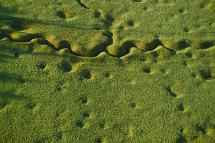
THE WESTERN FRONT
A collection of photographs of First World War battlefields such as Argonne, the Marne, St Mihiel, Somme, Verdun, Vimy, the Vosges and Ypres as they are today.

2008 - OTTAWA EXHIBITION
Fields of Battle - The Western Front. An exhibition created for the Canadian War Museum in Ottawa to mark the 90th anniversary of the Armistice in 1918.

PASSCHENDAELE EXHIBITION - 2007
An exhibition commissioned by the Memorial Museum Passchendaele 1917 to mark the 90th anniversary of the battles of Messines and Passchendaele [3rd Ypres] in 1917.
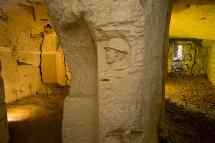
AISNE and MARNE: The Aisne, Belleau Wood & the Marne
The rivers of the Aisne and the Marne formed natural defence lines where in 1914 the "miracle of the Marne" saved Paris.
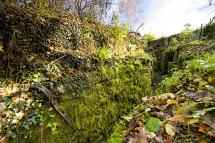
ARGONNE - Argonne & Butte de Vauquois
The Argonne is a small battlefield of wooded hills and its most remarkable feature is the Butte de Vauquois with its shattered hill top and extensive complex of fighting mines and tunnels.
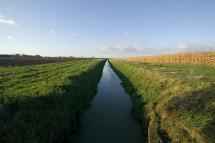
ARTOIS - Arras, Aubers, Fromelles, Loos, N. D. de Lorette and Vimy
The industrial heart of northern France, its coalfields were of great strategic importance during the war and bitterly contested until the end of the war.
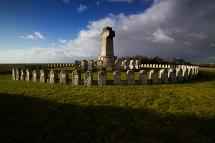
CHAMPAGNE
For four years the trench line ran eastwards from Reims to the Argonne across the open rolling countryside of Champagne but there was little movement until 1918 when the Americans began their offensive.
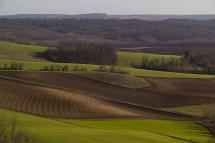
CHEMIN DES DAMES
Chemin des Dames. Fought over for most of the war it was the setting for the disastrous Nivelle offensive in April 1917 when the French suffered 140,000 casualties in the first 4 days and many units then refused to continue the assault.
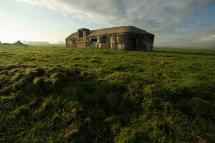
FLANDERS - Yser, Ypres, Messines and Ploegsteert
Flanders mud became the epitome of the horror trench warfare as the fighting for Ypres dragged on through four bloody years of fighting.
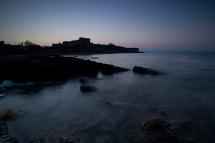
GALLIPOLI: 1915 - 1916
The rugged Gallipoli peninsula was one of the most hard fought campaigns of the First World War. Deserted for most of the year apart from shepherds and their ferocious dogs, it is a region of great beauty whose jagged landscape still bears the traces of war.

LORRAINE - St Mihiel, Eparges and Bois le Pretre
Four years of continuous fighting in the St Mihiel alient left is mark in the craters, ruined villages, battered trenches and vestiges of military camps amidst the woods which are seldom visited except by hunters.
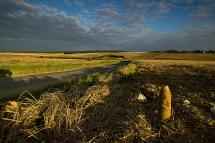
PICARDY - Cambrai, Hindenburg Line & the Somme,
From Roman times Picardy has been the scene of battles - Crecy, Agincourt amongst them - but in WW1 it was the scene of some of the most bitter and prolonged fighting along the entire Western front.
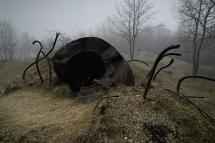
VERDUN 1916: The treadmill of death for French and Germans.
The tortured landscape of Verdun testifies to the battle that was "a complete war in itself, inserted in the Great War" and which became "the mill on the Meuse which ground men's minds and bodies".
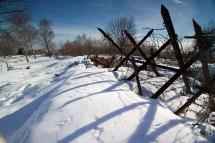
VOSGES - Le Linge, Hartmannswillerkopf, Tete des Faux
The trench and bunker systems built amidst the summits and forest of these beautiful mountains are some of the most complete to be found along the Western Front.
TEST
TESTING PHOTO